Party Inspiration
How to Choose the Perfect Party Theme (Without Making It Feel Cheesy)
Less matching-everything energy. More “who planned this gorgeous party?”
In this article · 18 sections
- First, Choose a Feeling Instead of Decorations
- 1. Match the Theme to the People
- 2. Let the Occasion Inspire You, Not Limit You
- 3. Choose a Concept, Not Only a Color
- 4. Create a Layered Palette
- 5. Make a Small Mood Board
- 6. Respect the Space You're Using
- 7. Choose One Signature Moment
- 8. Make Food and Drinks Part of the Experience
- 9. Make the Dress Code an Invitation, Not an Assignment
- 10. Design a Playlist With an Arc
- 11. Suggest the Theme Rather Than Spelling It Out
- 12. Know When to Stop
- Six Themes Worth Trying
- Try It: Find Your Party Aesthetic
- The Five-Step Theme Test
- Frequently Asked Questions
- The Invitation Is the Opening Scene
You have a party idea in your head. A beautiful one. You picture the music, the lights and what everyone is wearing. Then you begin shopping and, somehow, your sophisticated garden supper becomes a pile of plastic flowers and matching signs. Somewhere between the vision and the checkout cart, the idea went sideways.
A theme should give a celebration personality, not turn your home into a costume shop. But don't confuse “not cheesy” with “neutral and serious.” A colorful disco party can be exquisite. A deliberately ridiculous nostalgic birthday can be perfect. The difference is whether the execution fits the experience you intend.
First, Choose a Feeling Instead of Decorations
Ask yourself: How do I want this party to feel? “Hollywood glamour” could mean an intimate old-movie dinner or a lively awards show with acceptance speeches. Same theme; very different evenings. Try three adjectives: romantic, intimate, dreamy; bold, glamorous, dramatic; playful, nostalgic, energetic; or relaxed, sun-soaked, effortless. When the feeling is clear, decisions about food, lighting and dress get easier.
1. Match the Theme to the People
A murder mystery is thrilling for friends who love acting and deeply uncomfortable for guests who hate being put on the spot. Consider what your people naturally enjoy. Food lovers might prefer a supper club. Competitive friends might adore a cocktail challenge or game-show night. Quiet conversationalists may prefer a garden dinner. Guests shouldn't have to perform an entirely different personality to enjoy your celebration.
2. Let the Occasion Inspire You, Not Limit You
A 40th birthday doesn't require a room full of number 40 decorations. A bridal shower doesn't demand a particular color. Ask what the guest of honor actually loves: vinyl, Mediterranean food, old Hollywood films, late-night dancing, or a relaxed lunch with close friends. Let that shape the concept. A theme rooted in someone's personality almost always feels more meaningful than a trend copied wholesale.
3. Choose a Concept, Not Only a Color
“Black and gold” tells you which napkins to purchase. “Midnight & Champagne” tells you how the evening may feel. Think in concepts that can guide the menu, music, invitation and dress code.
| Basic description | More evocative concept |
|---|---|
| Black-and-gold birthday | Midnight & Champagne |
| Pink party | Rosé After Dark |
| Italian-inspired party | An Evening on the Amalfi Coast |
| Garden party | The Secret Garden Supper |
| Disco theme | Studio After Hours |
| White party | The Ivory Affair |
| Brunch | Sunday Social Club |
| Casino-inspired gathering | The Velvet Casino |
Names are inspiration, not necessarily existing Save the Yay! products.
4. Create a Layered Palette
Avoid matching everything to an identical color. Use a main tone, a supporting tone and an accent with interesting materials. Burgundy napkins, plum flowers and wood can look collected together. Five combinations to try: Burgundy + Espresso + Champagne, Butter Yellow + Cream + Black, Olive + Ivory + Natural Wood, Cobalt + Citrus Orange + White, and Dusty Rose + Terracotta + Plum. The magic is in contrast and texture, not in buying every object in one shade.
5. Make a Small Mood Board
Save eight to twelve images—not two hundred—covering atmosphere, table styling, lighting, flowers and invitations. Then choose three essential images: one for the overall feeling, one for the focal point and one for the guest experience. If they feel like they belong together, you've found your direction. If they seem like three separate parties, refine. A mood board should help make decisions, not become another job.
6. Respect the Space You're Using
A grand masquerade ball might require a different interpretation in a small living room. Keep the romance—dramatic table settings, rich fabrics, elegant masks—but skip the ballroom-scale installation. A compact apartment is well suited to a listening lounge or supper club. A backyard opens options for an outdoor cinema or garden soirée. A restaurant may already have beautiful styling worth complementing. Check setup rules, accessibility, weather, electricity and realistic seating before committing.
7. Choose One Signature Moment
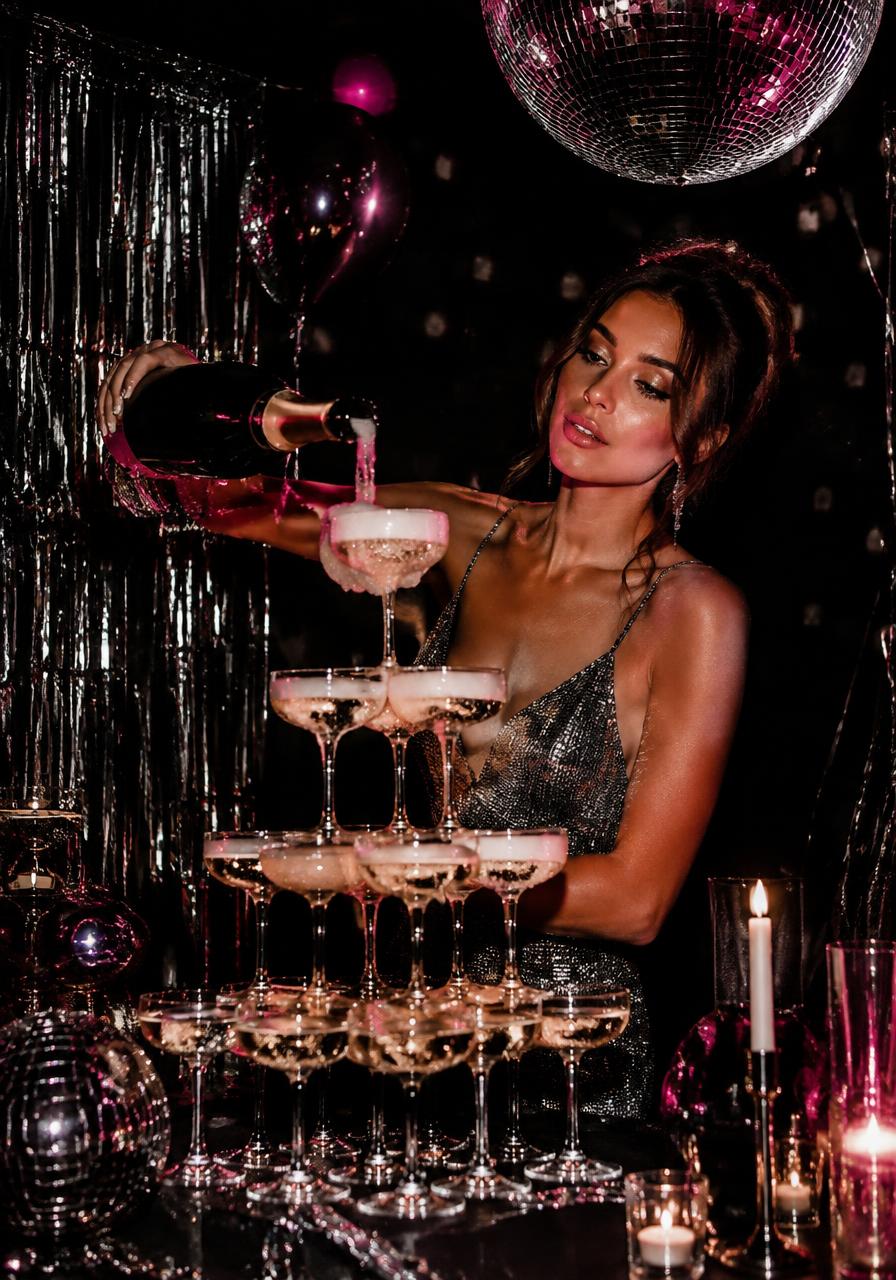
Instead of making the door, bar, dining table, cake area and backdrop equally elaborate, decide what guests will remember. A beautifully styled table. A spectacular cake. A mirror-ball dance corner. One exceptional decorative moment will often do more than half a dozen diluted ones. Allow the rest of the room to support it.
8. Make Food and Drinks Part of the Experience
A coastal-inspired gathering feels more complete with shareable platters, citrus and bright drinks than with coastal-colored decorations alone. A lounge party benefits from small bites and elegant nonalcoholic choices. A Sunday Social calls for pastries, coffee and relaxed food people can enjoy while talking. Plan appropriate amounts and food safety first; inspiration isn't a substitute for feeding guests properly.
9. Make the Dress Code an Invitation, Not an Assignment
“1920s costume required” may sound fun to you and expensive to someone else. Describe the mood and give easy ways to participate:
Midnight & Champagne: “Cocktail attire and your favorite dressed-up look encouraged.”
Garden After Hours: “Florals, linen and garden-party chic welcome.”
Disco Revival: “A little sparkle or a favorite retro-inspired outfit—dancing shoes encouraged.”
Sunday Social: “Relaxed, elevated casual. Come comfortable.”
When special clothing is essential to an activity, give plenty of notice and affordable options. The goal is anticipation, not anxiety.
10. Design a Playlist With an Arc
Music should carry the atmosphere through the evening: easy arrival songs, a set matching the main activity, and a closing stretch that fits the energy. A garden party doesn't require exclusively acoustic music; a glamorous party doesn't need hours of jazz. Pick songs that sound like your people enjoying this particular celebration, at a level that allows them to talk.
11. Suggest the Theme Rather Than Spelling It Out
An Italian-inspired dinner doesn't require plastic grapes and miniature towers everywhere. Simple linens, thoughtful ceramics, herbs, candlelight and well-chosen food can communicate the inspiration more gracefully. A casino-inspired evening may need game tables and warm lounge lighting, not inflatable dice. On the other hand, intentionally kitschy can be delightful—if that's the vision. Consistency, not seriousness, is what matters.
12. Know When to Stop
Before the last-minute shopping trip, ask: Does this add to the experience? Does it strengthen the concept? Will it be noticeable? Can I set it up and remove it without resenting the whole evening? If not, leave it. A theme feels finished when its parts work together, not when every corner is covered.
Six Themes Worth Trying
Midnight & Champagne
Mood: Dramatic, glamorous, slightly mysterious. Palette: Black, champagne, ivory. Signature: Candlelit beverage station. Dress: Favorite evening look. Best for: Milestone birthdays, anniversaries.
Sunday Social
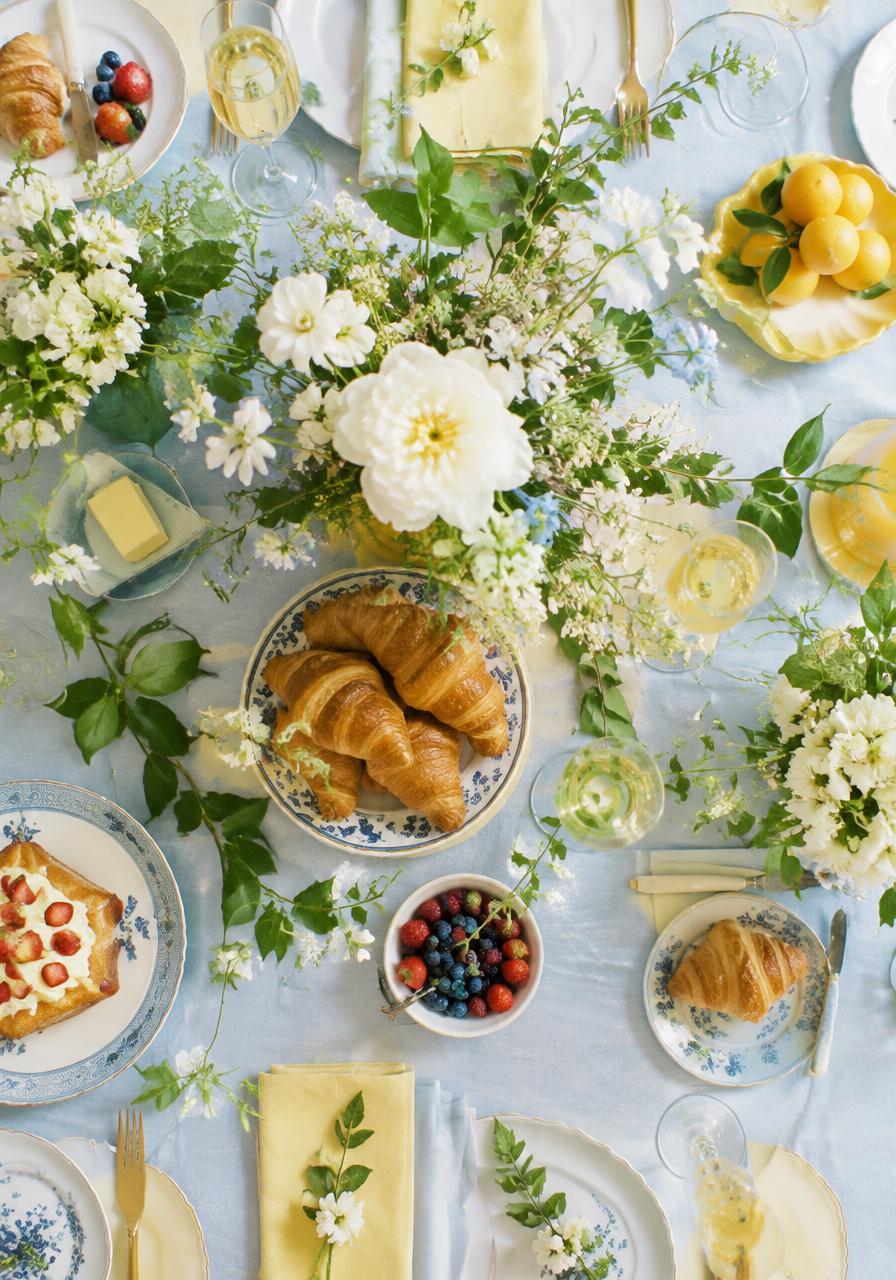
Mood: Warm, relaxed, stylish. Palette: Butter yellow, cream, sage. Signature: Beautiful coffee-and-pastry bar. Dress: Elevated casual. Best for: Brunch, birthdays, friendship gatherings.
After Hours
Mood: Modern, intimate lounge. Palette: Burgundy, espresso, black. Signature: Warm lamps and curated drink menu. Dress: Dress to impress, your way. Best for: Cocktail evenings.
The Citrus Club
Mood: Fresh, playful, sunny. Palette: Cobalt, yellow, white, orange. Signature: Citrus-filled refreshments and striped linens. Dress: Summer chic. Best for: Garden parties and showers.
The Velvet Supper Club
Mood: Romantic and indulgent. Palette: Plum, burgundy, chocolate. Signature: Layered candlelit dinner table. Dress: Elegant eveningwear. Best for: Intimate milestone meals.
Studio Revival
Mood: Bold, nostalgic, energetic. Palette: Silver, violet, black, pink. Signature: Mirror-ball light and an unbeatable playlist. Dress: Sparkle or retro-inspired style. Best for: Dance-forward celebrations.
Try It: Find Your Party Aesthetic
Quiz · Two questions
Find Your Party Aesthetic
No sign-up needed. Your result is a starting point for inspiration.
Choose one answer for each question to see your result.
The Five-Step Theme Test
Can you describe the evening in one sentence?
Does it suit the actual guests?
Can the venue support it comfortably and safely?
Can you achieve the feeling within budget by focusing on two or three key details?
Will you enjoy hosting it?
If the answer to the last question is no, simplify. A party that turns the host into an exhausted stage manager is rarely worth the trouble.
Frequently Asked Questions
How do you choose a theme for adults?
Start with the purpose, guests, venue, time of day, budget and desired atmosphere. Build a concept that influences more than décor.
What party themes feel sophisticated?
Candlelit supper clubs, garden soirées, beautifully styled cocktail lounges and modern monochrome celebrations all work—depending on execution.
Does every party need a theme?
Not remotely. A simple mood, color direction or invitation style may be more than enough.
How can a theme work on a small budget?
Use the venue's existing strengths, spend on one focal point, and let lighting, music and food do the rest.
How do you tell guests about the theme?
Use the invitation to share the mood, dress suggestions, timing and any activity expectations. Guests should know how to show up comfortably.
The Invitation Is the Opening Scene
The right invitation makes people imagine the evening before they arrive. A dark and elegant design hints at a glamorous night; a light and playful one suggests easygoing brunch. Use it to build anticipation while making the details unmistakable.
You don't have to create the most elaborate party anyone has seen. Choose a feeling, build around it, leave room for personality—and enjoy what you've created. The point was never just a beautiful party. It was a really good time.
Set the tone
Invitation designs that suit the mood of this edit.